


Episcleritis
Information on the causes of episcleritis.
Select a Topic
- What is Episcleritis?
- Episcleritis in Children
- Episcleritis During Pregnancy
- What are the Symptoms of Episcleritis?
- What Causes Episcleritis?
- Help for Episcleritis
What is Episcleritis?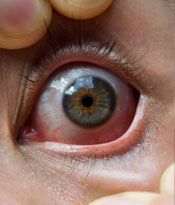
Episcleritis is an inflammatory condition of the episclera (the connective tissue between the conjunctiva and sclera in the eye). This type of eye inflammation, while bothersome and mildly uncomfortable, usually looks worse than it is and is not considered serious. In fact, Episcleritis usually disappears within 1 to 2 weeks without any medical treatment.
Statistically, women are more affected by episcleritis than men and it characteristically occurs in people who are in their 30's and 40's. Episcleritis can sometimes develop into a recurrent problem and in rare cases, may even develop into scleritis.
Episcleritis in Children
Episcleritis is very rare in children, particularly for children under 5 years old. When afflicted, younger children tend to have simple episcleritis, which consists of mild inflammation that lasts for about a week to 10 days. While the cause is often not known, make sure to monitor your child for any complications, as the condition usually clears up without treatment within 2-3 weeks. Children will likely rub their eyes often due to the soreness and tenderness they may be feeling, so consider putting soft mittens or gloves on their hands to avoid further irritation.
When older children have episcleritis, it is generally associated with rheumatologic diseases. Pediatric rheumatologists should advise their patients to have their vision regularly checked, as ocular complications of rheumatic diseases can lead to vision loss if left untreated.
Episcleritis During Pregnancy
Women with recurrent ocular inflammatory issues such as episcleritis may notice flare ups around the same time of the month, typically during the late phase of the menstruation cycle, thus indicating a possible correlation between hormonal changes and inflammation episodes.
Some women report an improvement in flare ups during pregnancy. However, for others seeking treatment, caution should always be used during pregnancy before taking any over-the-counter medicines or supplements to address the condition.
Diagnosing Episcleritis
Episcleritis is diagnosed with a slit lamp (a microscope with a light attached that has been specifically designed for eye examinations). This is usually done by an optometrist and some general practitioners.
Your doctor will be on the look out for any discharge and pain and will have to rule out other eye inflammatory conditions, such as scleritis, which can be more serious.
What are the Symptoms of Episcleritis?
The symptoms of episcleritis are generally mild, with acute redness being the predominant symptom. This red appearance of the "white part" of the eye makes Episcleritis look similar to conjunctivitis, or pink eye, but there is generally no discharge or tearing and if pain, tenderness or discomfort does occur, it is usually mild and manageable.
What Causes Episcleritis?
Causes of episcleritis infection have not been established. In some cases the causes of episcleritis infection can be related to another inflammatory condition such as:
- Arthritis
- Irritable bowel syndrome
- Lupus
- Inflammatory bowel disease (e.g. colitis)
Other causes of episcleritis include underlying conditions such as:
- Menstruation
- Rosacea
- Stress
- Gout
- Allergies
- Autoimmune disease and disorders
- Chlamydia
- Addison’s disease
- Hay fever
- Herpes simplex infection
- Lyme disease
- Tuberculosis
Help for Episcleritis
Episcleritis is generally a mild condition and tends to disappear on its own without further intervention. Episcleritis infection treatment is then done with over the counter saline solutions if discomfort or pain are present. The solutions can be chilled and used to soothe the inflamed area.
In more severe cases, episcleritis infection treatment may include mild steroids and/or anti-inflammatory medications prescribed by your doctor. Make sure you are aware of all the side-effects of the medication you are prescribed as some of these can be more troubling than the actual eye condition itself!