


Blood Pressure
Information on the causes of high blood pressure symptoms and high blood pressure readings.
Select a Topic
- What is Blood Pressure?
- Checking Blood Pressure
- What Causes High/Low Blood Pressure?
- Help for High/Low Blood Pressure
What is Blood Pressure?
Blood pressure is the force that the blood exerts on the veins and arteries while it circulates through the body. We express the measurement of blood pressure as a ratio, such as 120/80 mmHg. The first number is the pressure exerted when blood is pumped into the arteries as the heart muscle contracts (systolic pressure). The second number is the pressure exerted on the arteries while the heart muscle relaxes (diastolic pressure).
In a healthy individual, this blood pressure reading is usually around 120/80 mmHg while at rest, although the reading fluctuates throughout the day and continues to change depending on a multitude of factors such as activity level, temperature, diet, emotional or physical state, and the use of various medications.
Having your blood pressure checked regularly is important, as blood pressure readings are a good diagnostic tool and can be strong indicators of health, illness or disease.
Checking Blood Pressure
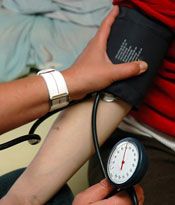
Having your blood pressure checked is quick, painless and can be done by a health practitioner, at a local pharmacy, or at home using an aneroid or a digital monitor. Usually taken while at rest, blood pressure is measured while a person is seated. His or her arm should be resting on a table at approximately the same level as the heart. The material cuff is then wrapped snuggly around the upper arm and inflated until the column of mercury reads approximately 180-210 mmHg.
At this point, the pressure valve is opened slightly, allowing the mercury to drop gradually while the physician listens to the heart pulse with a stethoscope. The mercury level at which the first pulse is heard is recorded as the systolic pressure, while the last audible pulse as the cuff is deflated is recorded as the diastolic pressure.
Most doctors will rely on a number of readings before a diagnosis is made, as the numbers do fluctuate throughout the day based on factors that can influence the reading. A common problem is "doctor-anxiety", which can cause an individual’s blood pressure to seem higher than it actually is.
Understanding the Blood Pressure Numbers
Now that you have your blood pressure reading, it is important to know what the numbers mean. In adults, a systolic pressure of between 90 and 120 mmHg and a diastolic pressure of less than 80 mmHg is considered normal. If your blood pressure consistently measures above or below the normal range, you physician may recommend further tests.
- Pre-high blood pressure is diagnosed if the top number is consistently 120 to 139, or the bottom number reads 80 to 89.
- Stage 1 High blood pressure (hypertension) is when the top number is consistently 140 to 159, or the bottom number reads 90 to 99.
- Stage 2 High blood pressure (hypertension) is when the top number is consistently 160 or over, or the bottom number reads 100 or over.
- Low blood pressure (hypotension) is considered when the top number reads lower than 90 or your blood pressure is 25 mmHg lower than usual.
What Causes High/Low Blood Pressure?
While low blood pressure is generally a sign of good health, it can be indicative of illness, stress, or infection. It is also a common symptom of pregnancy, dehydration, thyroid disorders, or arrhythmias.
High blood pressure is a cause for greater concern, and if left untreated, can result in other serious medical conditions including heart attack, kidney failure or stroke.
Tips for Obtaining Accurate Blood Pressure Readings
- Avoid stimulants or depressants such as caffeine, tobacco and alcohol for at least 30 minutes before checking your blood pressure.
- A full bladder can affect your reading, so make sure to use the bathroom before hand.
- Avoid strenuous activity for 30 minutes before your blood pressure check, and sit in a comfortable, rested position for 3-5 minutes before the test.
- Wear appropriate clothes that you can easily roll up to expose the upper part of your arm.
- At the time of the reading, make sure your arm is raised to the level of your heart. Adjust the cuff so that it is approximately 1 inch above the crease of your elbow.
Help for High/Low Blood Pressure
Note: It is important to consult your doctor before making any changes or additions to your prescription medication and to monitor your blood pressure regularly .