


Hawthorn
Hawthorn helps fight cardiovascular disease and improves heart function and cellular health naturally.
What is Hawthorn?
Hawthorn, a thorny tree or shrub with red berries, can grow up to thirty feet tall and is a member of the rose family. 1
There are several species of this plant. One species — Crataegus oxyacantha — has been used as a heart tonic since the first century A.D., according to Alternative Medicine Review. 2
Crataegus oxyacantha is also known as Crataegus laevigata and is found in several European countries.3
Medicinal Uses of Hawthorn
One analysis of research studies on hawthorn found that the plant had the potential to be used as a remedy for cardiovascular disease.4
In one study, scientists analyzed a hawthorn extract and determined that it could improve heart function. 5 They were able to confirm that this extract had antioxidant capabilities and could reduce the presence of free radicals — molecules that can damage cells.
Photos of Hawthorn
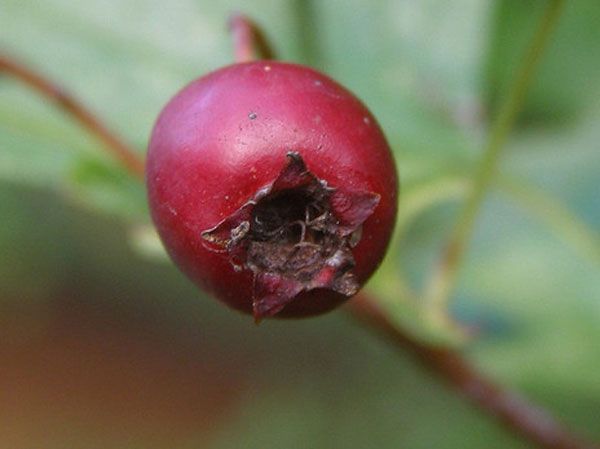
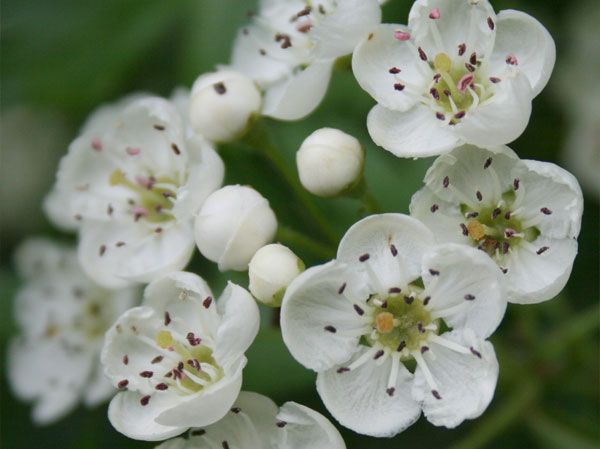
The content provided is for informational purposes only. It is not a substitute for professional medical advice. If you have a health condition, please consult a medical professional and do not use this information to self-diagnose or self-treat.