



-

![View product details for ProsPet Drops™ for Canine Prostate Health]() 352012Price $35.96(23)
352012Price $35.96(23)Add 3 Eligible Items To Cart & Get The Third Item For Free!
-
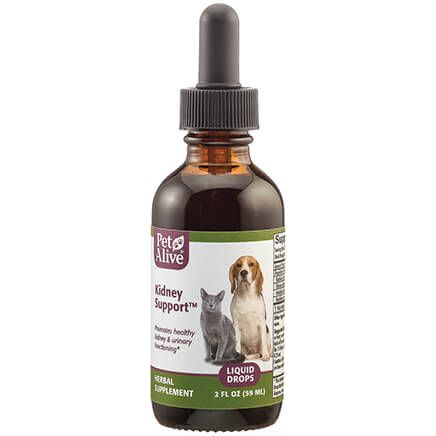
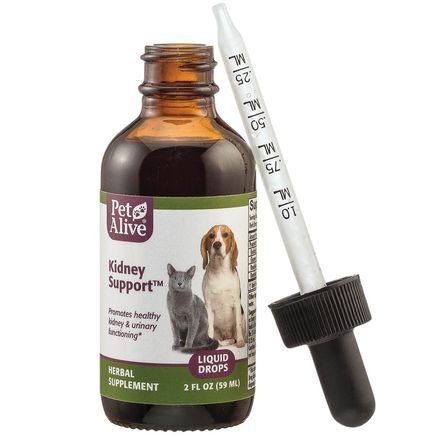
![View product details for Kidney Support™ for Cat & Dogs]() 351872Price $35.96(26)
351872Price $35.96(26)Add 3 Eligible Items To Cart & Get The Third Item For Free!
-
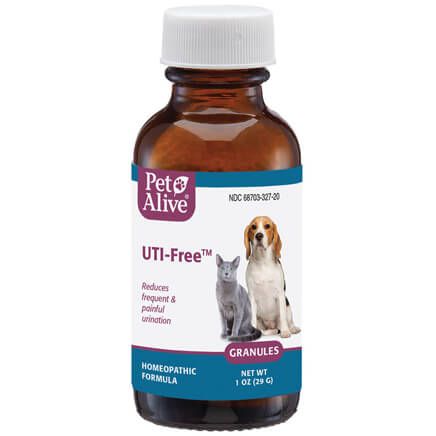
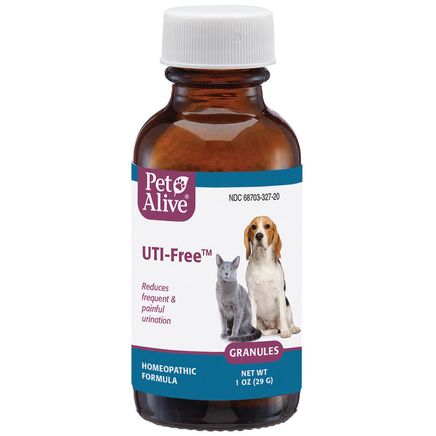
![View product details for UTI-Free™ Granules]() 371825Price $35.96(28)
371825Price $35.96(28)Add 3 Eligible Items To Cart & Get The Third Item For Free!
-
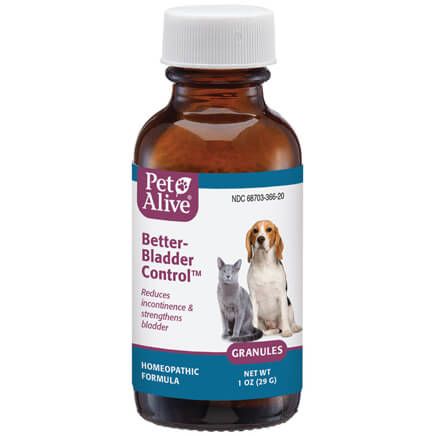
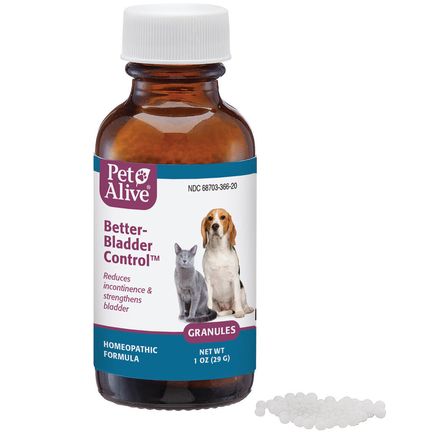
![View product details for Better-Bladder Control™ Granules]() 371830Price $35.96(6)
371830Price $35.96(6)Add 3 Eligible Items To Cart & Get The Third Item For Free!
-
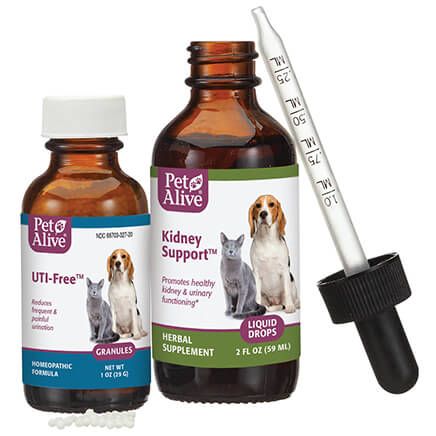
![View product details for Urinary ComboPack for Pets]()


Loading...
Symptoms of Urinary Issues in Pets
Are you worried that your pet may have a bladder or urinary tract problem? The most important thing to notice is whether your pet has any changes in their behavior when urinating. Are they urinating more often or less frequently than usual? Is your dog or cat straining or in pain while urinating? Other symptoms may include loss of bladder control, dribbling urine, or licking urinary openings. If your dog or cat develops these symptoms, make a vet appointment as soon as possible and discuss treatment plans, including options for natural, holistic treatment. At PetAlive, we offer natural products that help promote proper functioning for your pet’s urinary tract and bladder; ongoing maintenance of bladder and kidney health; and products designed to treat specific symptoms and health concerns, including pet incontinence, glucose balance, urinary tract infections, and canine prostate health.
What organs make up a pet's urinary system?
A pet's urinary system consists of two kidneys, two ureters, a bladder, two sphincter muscles, and a urethra. These organs and tubes work together to filter waste and excess fluid from the bloodstream, which is then expelled as urine.
What are common signs of urinary tract issues in dogs and cats?
Common signs include frequent urination, straining, accidents in the house, licking around the urinary area, and restlessness. Urinary tract infections (UTIs) are especially common in older pets and those with lower activity levels or have other conditions such as diabetes or hyperthyroidism.
What causes urinary tract infections (UTI) in pets?
A urinary tract infection (UTI) can occur when normal bacteria from a pet's skin or gastrointestinal system enter the urethra or bladder. Pets that are older, less active, or managing other health conditions may be more prone to developing these infections.
When should a pet with urinary symptoms see a veterinarian?
Frequent urinary tract infections—more than one or two per year—should be evaluated by a veterinarian, who can determine the underlying cause. A veterinarian can also identify whether an underlying condition, such as diabetes or hyperthyroidism, may be contributing to recurring symptoms.
Thank You For Joining!
Exclusive Offers • Pet Care Tips • Early Access
THANK YOU FOR JOINING
UP TO 40% OFF IS NOW ACTIVATED
✔ 10% off first two items
✔ Third item free
✔ Free Shipping